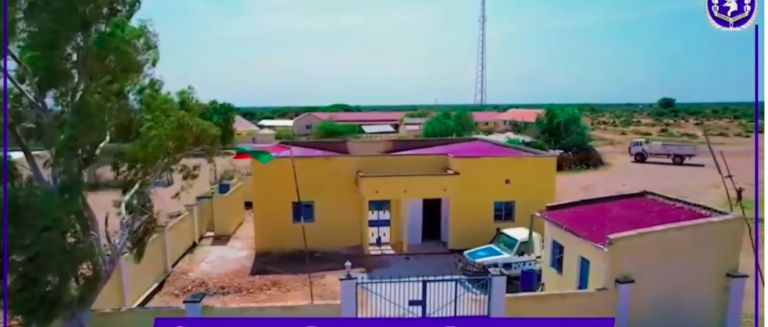
For years, the people of Balli Abane faced a significant challenge in accessing justice. With no district court of their own, residents, litigants, witnesses, and law enforcement officials were required to travel approximately 35 kilometers to Balli Gubadle District whenever a case needed to be heard. This journey imposed financial burdens, consumed valuable time, and often delayed access to justice.
When this reality came to my attention, I recognized that access to justice is not a privilege but a fundamental public service. I therefore committed myself to establishing the first District Court in the history of Balli Abane.
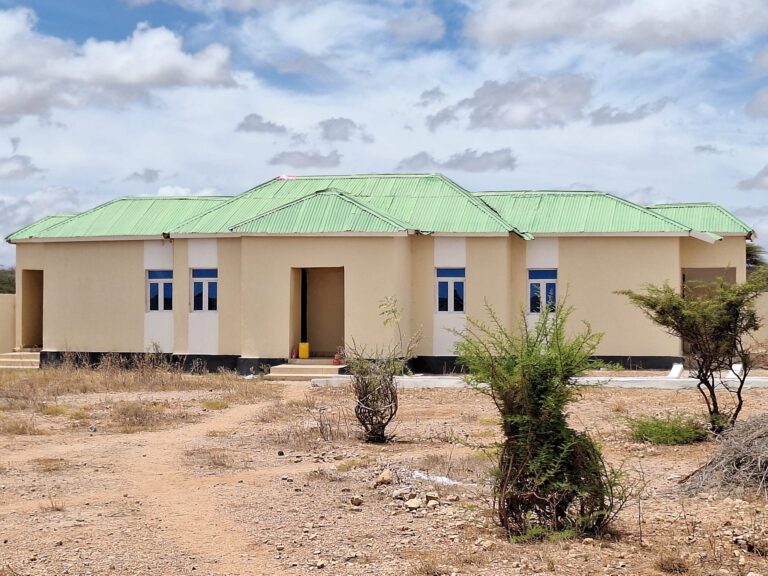
The vision was ambitious but necessary. The project included the construction of court offices, a courtroom hall, and sanitation facilities, creating a complete and functional judicial facility capable of serving the district’s residents.
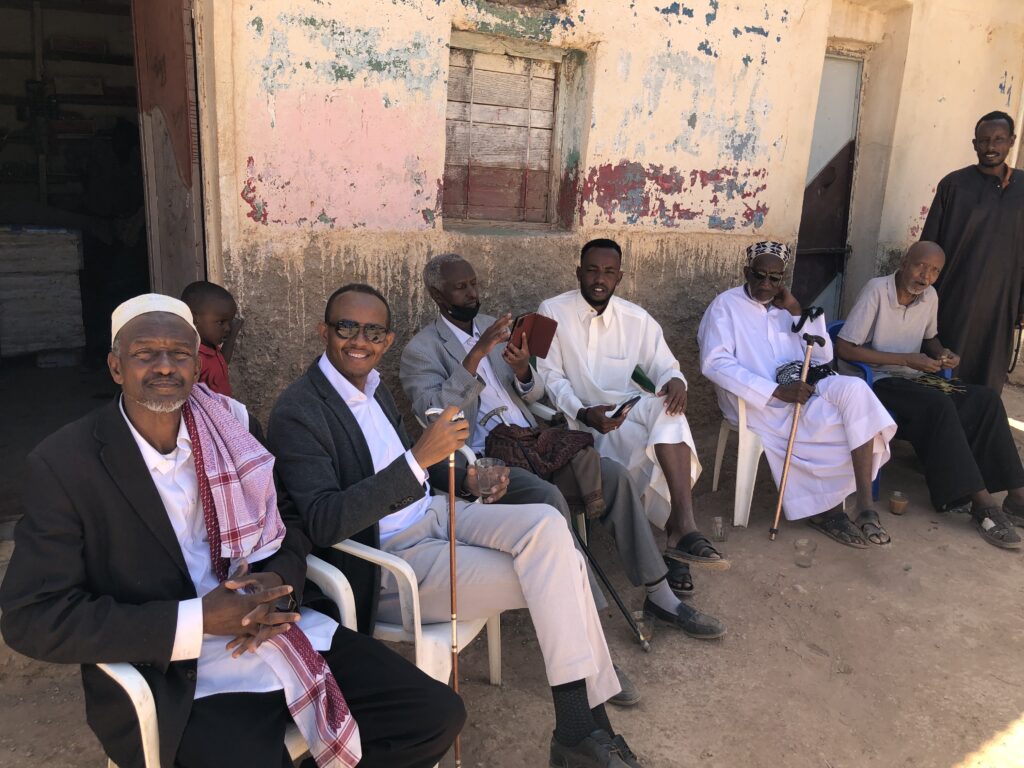
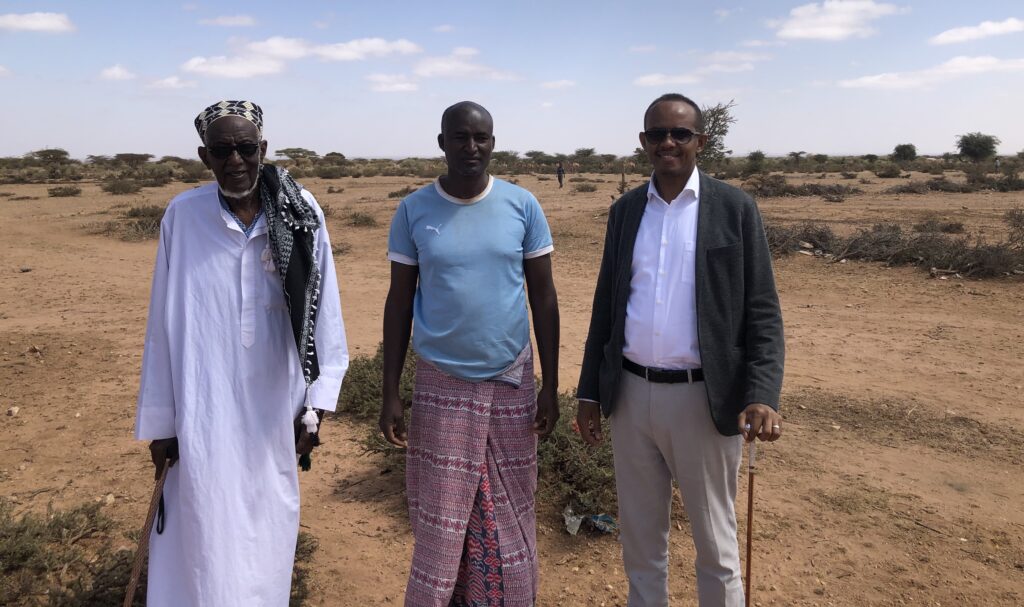
One of the first challenges was securing suitable land for the court. I met with local district leaders and community representatives to explore the possibility of obtaining land free of charge for this important public institution. Fortunately, a respected local family, the Boodhaan family, generously donated a plot of land for the construction of the court. Their contribution laid the foundation for a project that would serve generations to come and demonstrated the community’s commitment to strengthening access to justice.
My next step was to seek financial support through the Judiciary. I approached the Chief Justice of Somaliland in the hope that funding could be secured. While the Judiciary fully supported the initiative, no budget was available for the project. Rather than allowing the idea to stall, I made the decision to personally finance the construction.
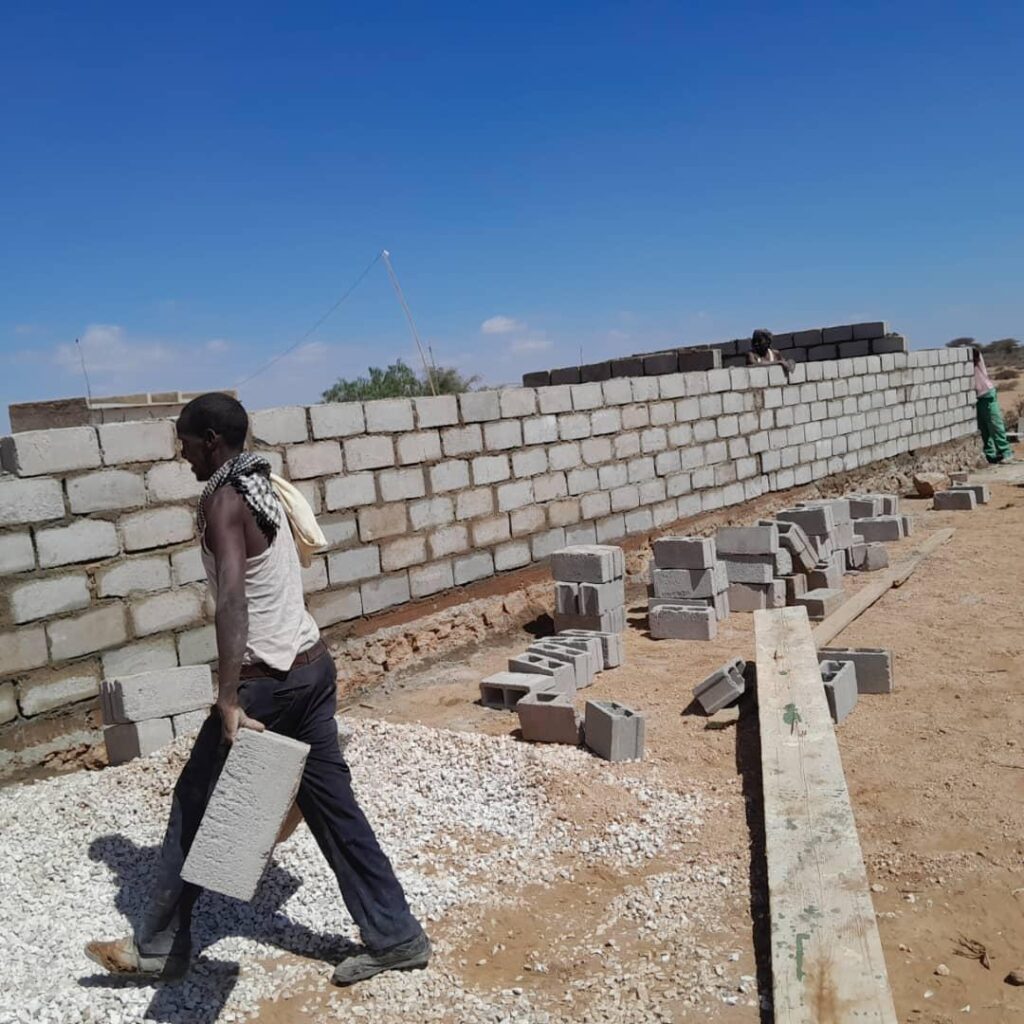
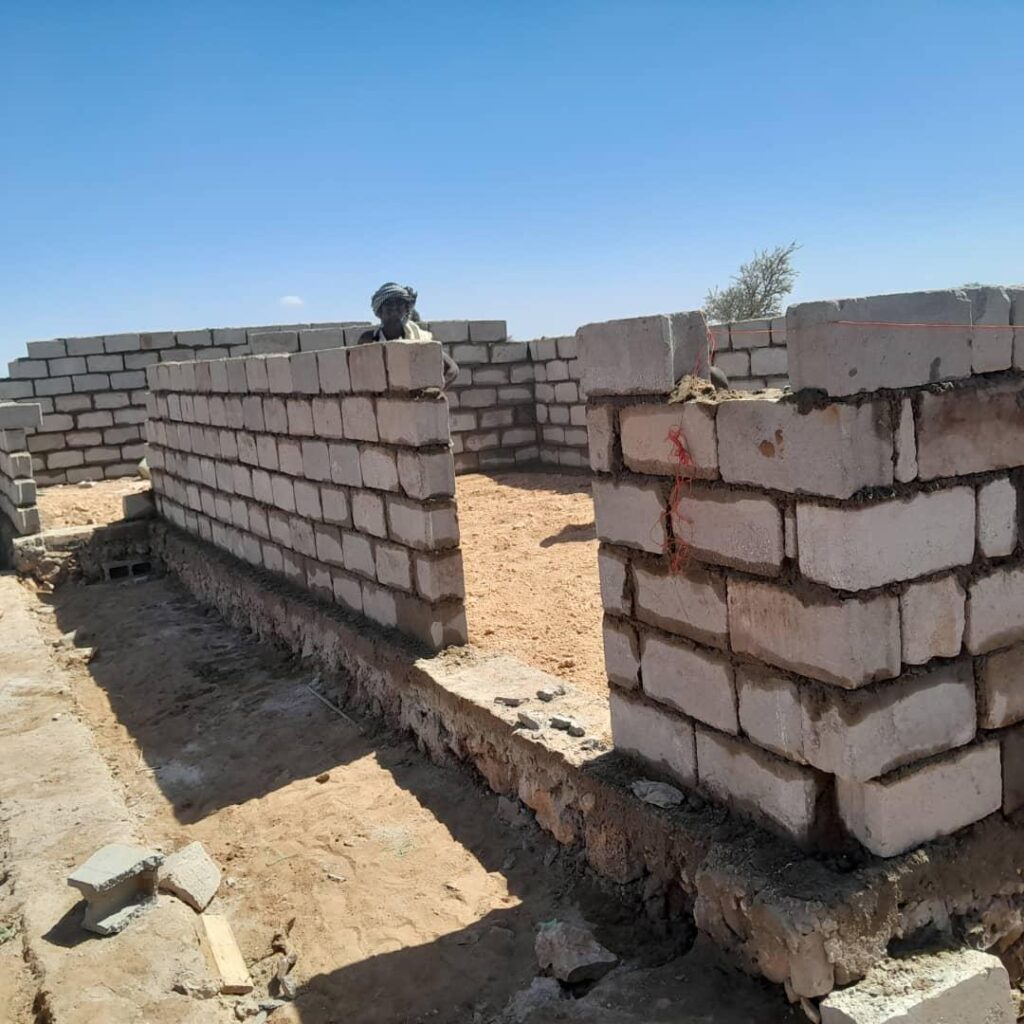
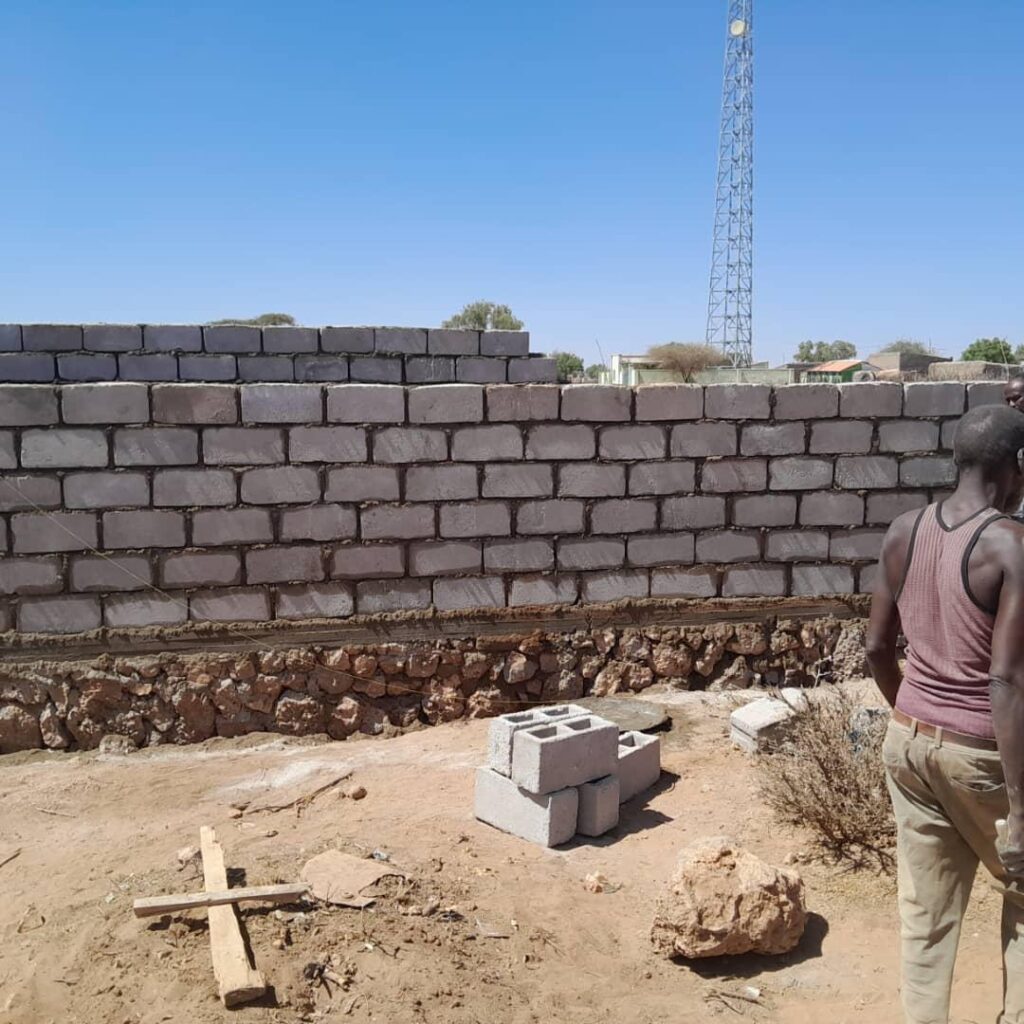
With the approval and encouragement of the Chief Justice, the project moved forward. The Judiciary also authorized the appointment of the necessary court personnel to ensure that the institution could begin functioning. Although these staff members are not yet on the government payroll, their presence has enabled the court to begin serving the community.
Today, Balli Abane has its first-ever District Court, bringing justice closer to the people it serves. What once required a 35-kilometer journey can now be addressed within the district itself. Citizens no longer need to travel long distances to seek justice, and witnesses can participate in proceedings without the burden and expense of transportation to another district.
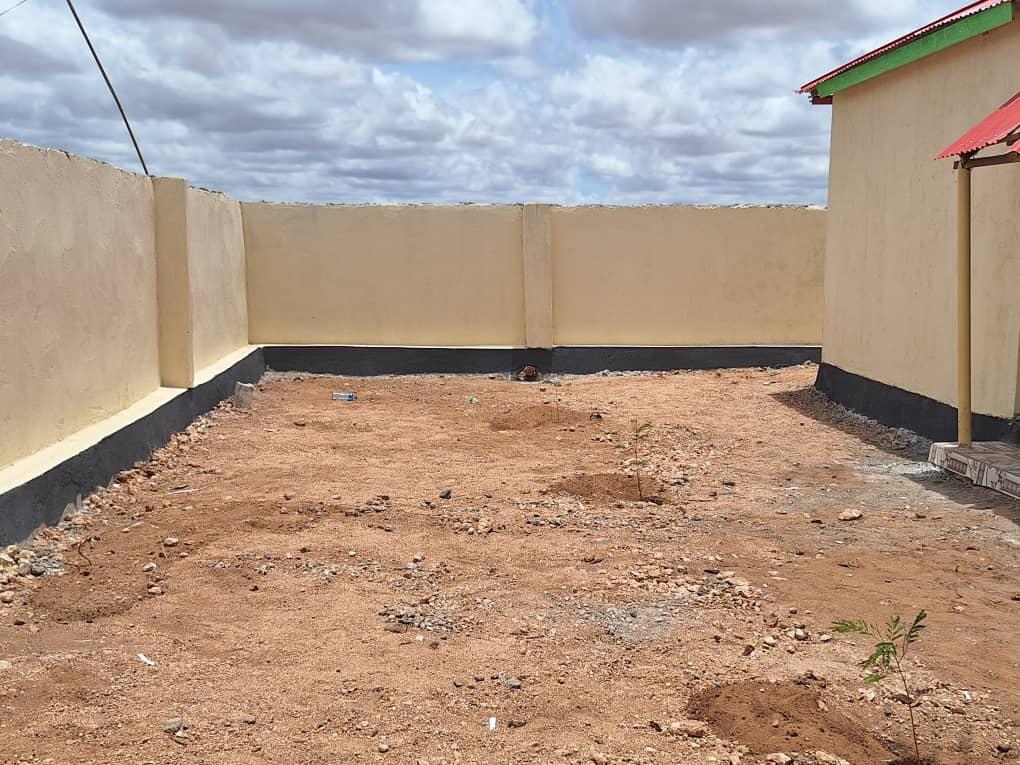
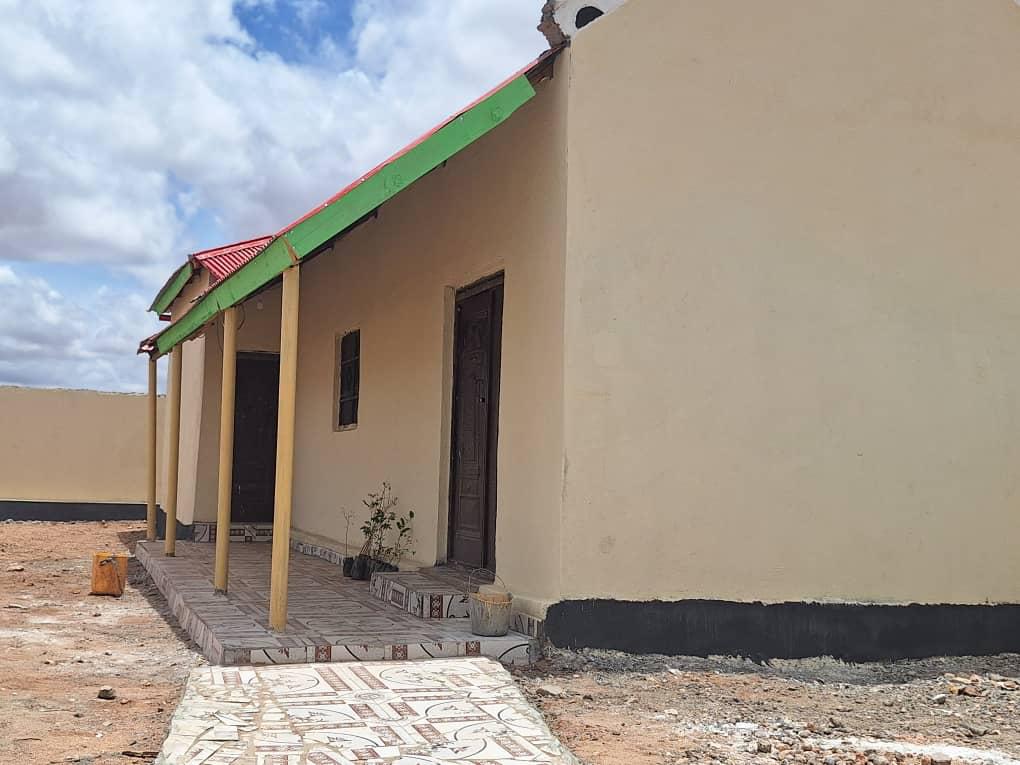
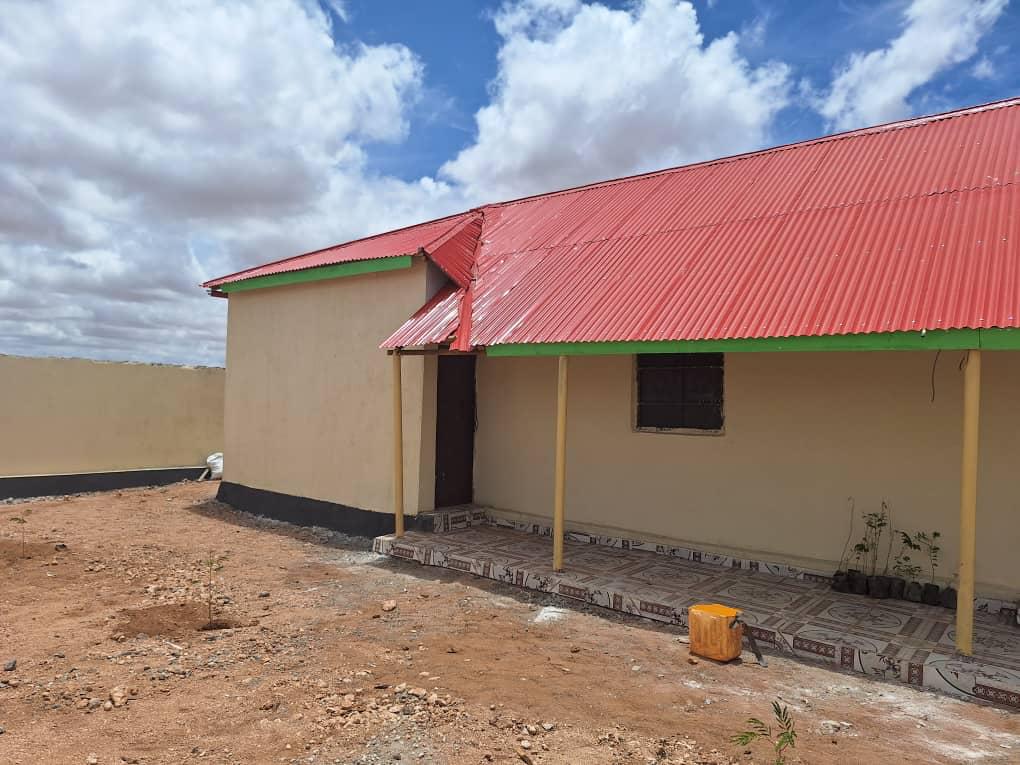
The court stands as a symbol of what can be achieved when public service, community partnership, and personal commitment come together in pursuit of a common goal.
This achievement is not merely about constructing a building. It is about expanding access to justice, reducing barriers for citizens, strengthening local governance, and demonstrating that meaningful change often begins when one chooses to act rather than wait.